
or
 Continue with Facebook
Looking to list your Masters courses? Log in here.
Written by Mark Bennett
Brazil is the largest country in South America, with over 212 million people and Portuguese as its main language. It’s known for its world-class universities, mix of cultures, and wide landscapes that range from the Amazon rainforest to big cities like São Paulo and Rio de Janeiro. For international students, Brazil offers a lively and varied place to study and live.
In this guide, I’ll explain what life in Brazil is like for postgraduate students. You’ll read about everyday life, culture, food, weather, travel, accommodation, healthcare, and how much it costs to live there. Whether you’re going for a short course or a full degree, this guide will help you know what to expect before you arrive.
Brazilians are friendly and relaxed. Daily life moves at an easy pace, and people value social time with friends and family. Don’t be surprised if buses run late or service takes time — patience is part of local life.
Sport is a huge part of Brazilian culture. Football is everywhere, and names like Pelé, Marta and Neymar are national heroes. Capoeira, a mix of dance and martial arts, is also an important cultural tradition and recognised by UNESCO.
Brazilian food mixes Indigenous, African and European influences. Common meals include rice, beans, vegetables and grilled meat or fish. Here are a few more you might be interested to try:
Brazil is a huge country so depending on where you live, the climate can vary considerably. In general you can expect a fairly temperate climate in coastal regions (where most of the 200 million Brazilians live).
In the North (the Amazonian regions), the rainy season is from November to May while the Southern regions experience hot summers and very cold winters. Remember also that Brazil is the southern hemisphere and that the worse of the winter will be in July and August.
There’s a lot to explore in Brazil:
Few universities offer student accommodation to international students so your options are a bit more limited than in other countries. It will also be quite difficult to secure accommodation before your arrival. The international office of your university may have some advice about finding a place to stay. One option on arrival are hostels (R$35-150 / USD $7-30 per day).
For longer term options, you will have the choice of:
Note that, the average monthly budget is around R$2,500–3,000 (about £400–500) for a student living modestly in a mid-sized city.
Of course, there's more to living and studying a Masters in Brazil than sampling the local cuisine, finding a place to live and sorting out your budget. You'll also need to prepare for your study abroad experience by learning a little about Brazilian travel, banking and healthcare – which is why there's an introduction to all of those topics below.
Buses are the most common and affordable way to travel between cities. Major routes have comfortable coaches with air conditioning.
Domestic flights are often quicker for long distances — Brazil is huge. Airlines like LATAM and Gol serve most regions.
Driving can be stressful in big cities due to traffic, but roads are generally good.
The Brazilian banking system is one of the most complex and bureaucratic in the civilized world. But in a way this doesn’t matter too much because temporary residents (such as students) generally cannot hold a bank account in Brazil. It is recommended therefore that you try opening an account with an international bank such as Citibank, HSBC or others that may also operate in your home country. This may facilitate transfers of funds you may have in your country of origin. Before you leave for Brazil, check whether your bank has branches in Brazil. If not, you may have to open a new account at home first.
Brazil's public healthcare system is technically free at the point of use, with a system modelled on other services such as the British NHS. However, the delivery of medical care actually takes place through a combination of public and private providers.
Where private hospitals provide treatment on a public healthcare basis, they are reimbursed by the government, but, paid-private healthcare will usually lead to more prompt treatment and is generally to be advised in emergency circumstances. Public hospitals may also refuse to treat existing or outstanding medical conditions for free. For this reason you may benefit from taking out some form of personal healthcare insurance whilst studying a Masters in Brazil, though you will be eligible to use the Brazilian public healthcare system as a registered resident student. Your university should be able to offer advice on the health services in its local area.
Before you start packing for Brazil, I’ve got some extra tips that might just help you decide if Brazil is the right place for your postgraduate studies and settle in easier:
Many postgraduate courses are taught in Portuguese, though some are available in English. Learning basic Portuguese will make daily life and communication much easier.
Most students have a positive experience in Brazil. As in any large country, it’s best to stay alert, avoid showing valuables in public, and follow local and university safety advice.
International students can usually work part-time if their visa allows it. Always check visa conditions before starting any paid work.
The academic year in Brazil usually begins in February or March. Arriving a few weeks early gives you time to find housing and get used to local life before classes start.

Ready to start looking for your ideal study abroad opportunity? Browse and compare Masters degrees in Brazil on FindAMasters.com
 Continue with Facebook
 Mark Bennett
Mark joined FindAMasters to develop our first ever advice articles in 2013 and now serves as our Director of Audience & Editorial, making sure our websites and information are as useful as possible for people thinking about Masters and PhD study. He has a PhD in English Literature from the University of Sheffield, as well as Bachelors and Masters degrees from the University of Kent and the University of South Wales.
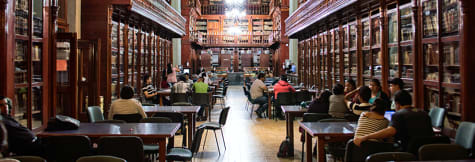
Explore Our Brazil Masters student guides, including top universities, scholarships, and what it’s like to live and study there.
Read more
Interested in studying a Masters degree in Brazil? Our guide will help you make your decision, covering essential information on postgraduate courses and university rankings through to applications and student visas.
Read more
or
Continue with Facebook


We've been helping students find the right postgraduate course for over a decade.