
or
 Continue with Facebook
Looking to list your Masters courses? Log in here.
Written by Mark Bennett
Turkey is a country that connects Europe and Asia, with a population of over 87 million people. It has a long history, lively cities, and a mix of modern and traditional life. For postgraduate students, Turkey offers good universities, affordable living costs, and the chance to experience a rich and welcoming culture.
In this guide, I’ll explain what living and studying in Turkey is like for international postgraduate students. You’ll learn about daily life, culture, studying, accommodation, travel, healthcare, and what to expect before you decide to move there.
Turkey has both public and private universities, and many offer Masters degrees in a wide range of subjects. Public universities are usually more affordable, while private institutions may charge higher fees but often have modern facilities and smaller classes.
A Masters degree in Turkey normally takes two years to finish and often includes a research project or thesis. Some universities also offer non-thesis Masters options that focus more on coursework and professional development.
Many Masters programmes in Turkey are taught in English, but others are in Turkish. If your Masters is taught in Turkish, you may need to take a language test before you start. Even if your studies are in English, learning some Turkish will make everyday life much easier and help you connect with local people.
Most universities do not guarantee housing for international students, but there are several good options. Government student dormitories, called KYK, are the cheapest and usually cost between €15 and €30 per month. Private dormitories and shared flats are also common and can range from €100 to €350 per month, depending on the city and the quality of the accommodation.
Living costs in Turkey remain lower than in most European countries. Students usually spend around €450 to €650 per month, including rent, food, transport, and basic utilities. Larger cities such as Istanbul, Ankara, and Izmir tend to be more expensive, while smaller university towns are more affordable.

Ready to start looking for your ideal study abroad opportunity? Browse and compare Masters degrees in Turkey on FindAMasters.com
Public transport in Turkey is reliable and affordable. Most cities have buses, trams, metro lines, and small shared taxis called dolmuş. You can buy a student travel card in many cities, which gives you cheaper fares on public transport.
Opening a bank account in Turkey is usually possible if you have a passport and proof of address. The local currency is the Turkish Lira (TRY), and most shops and services accept both card payments and mobile banking.
Healthcare in Turkey is generally of good quality. Students can use public healthcare by registering with the Social Security Institution (SGK). However, many choose private health insurance for faster appointments and easier access to English-speaking doctors.
To help you decide if Turkey is the right place for your Masters and make your move easier, I’ve got some tips for you:
Not always. Many Masters programmes in Turkey are taught in English. However, knowing some Turkish will help you in daily life and make it easier to connect with local people.
On average, Masters students spend between €450 and €650 per month on rent, food, and transport. Costs are higher in cities like Istanbul and lower in smaller towns.
Some international Masters students can work part-time, but rules depend on your visa and university. Always check the latest regulations with your international office.
Applications usually open several months before the academic year begins. It is best to apply early so you have enough time to organise your visa, accommodation, and travel.
Ready to start looking for your ideal study abroad opportunity? Browse and compare Masters degrees in Turkey on FindAMasters.com
 Mark Bennett
Mark joined FindAMasters to develop our first ever advice articles in 2013 and now serves as our Director of Audience & Editorial, making sure our websites and information are as useful as possible for people thinking about Masters and PhD study. He has a PhD in English Literature from the University of Sheffield, as well as Bachelors and Masters degrees from the University of Kent and the University of South Wales.
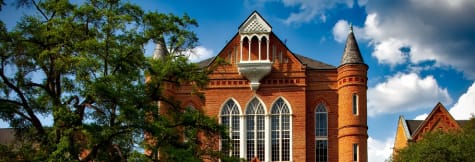
Explore Our Turkey Masters student guides, including top universities, scholarships, and what it’s like to live and study there.
Read more
Interested in studying a Masters degree in Turkey? Our guide will help you make your decision, covering essential information on postgraduate courses and university rankings through to applications and student visas.
Read more
or
Continue with Facebook


We've been helping students find the right postgraduate course for over a decade.