

or
 Continue with Facebook
Looking to list your Masters courses? Log in here.
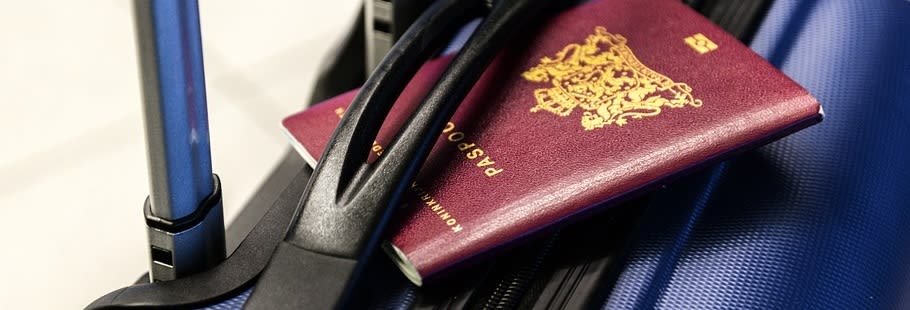
So you’ve decided to move overseas for postgraduate study. Perhaps you’re keen on a change of environment, or you simply want to immerse yourself in a foreign country for a year (or two). Whatever your motivation, relocating to another country for a Masters is a big decision. Good for you! I know you’re excited to hop on the plane and start your new life, but there are some things you need to prepare beforehand. Here’s a pre-departure checklist from someone who travelled halfway across the world to begin a Masters journey.
Accommodation is best booked ahead, especially if you, like me, are going alone and have no previous knowledge about the new place. I was going to Sheffield for the first time so I asked a friend who had studied there to help review my accommodation choices. You can also contact a reputable accommodation provider for advice. Some landlords allow for online viewing via Skype, but for those who don’t, I found it helpful to search for video reviews from past tenants. Reviews of this type are easier to find for student accommodation, as some international students would have documented their ‘settling in’ process.
For payment details, make sure everything you have agreed on with the landlord is reflected in the tenancy agreement. Don’t be afraid to clarify any discrepancies – I had my tenancy agreement edited three times before I agreed to sign. You may be required to physically view the property before booking, in which case you should plan on where to stay temporarily.
If you’re leaving your job to study a Masters, there are a couple of options: taking a sabbatical or simply resigning. This will be a difficult decision, especially if you have commitments and / or dependents to support. Check your company’s policy on study leave, then discuss your options with your supervisor, who may be able to help you negotiate a good deal for a sabbatical. If you do get a deal, make sure you understand all the terms and conditions before making a decision.
A sabbatical offers a financial safety net, but remember that your Masters is a step towards academic and career progression. If you feel that a return to the same job or company will not fit your development goals, then you may want to consider taking a leap of faith and tendering your resignation.
It’s important that you manage existing financial commitments such as loans and bills. Try to make a full settlement, or at least arrange for a payment plan to avoid any penalties. Remember that it will also take time to set up a bank account in the destination country, so it’s best to have an alternative to access your money in the meantime. I was provided with a cash card for interim use. When planning your cash card amount, allocate what you will need to spend on in the first few weeks – these will usually be one-off purchases like bedding and kitchen equipment.
You may have undergone a medical test as part of your visa requirement, but it’s good to have a full check-up if you get sick easily. Make a list of medicines or supplements that you usually take, but check how much can you bring into the destination country. If you have allergies or medical conditions that require continuous treatment, you may want to ask your doctor for a letter to be handed in when registering for medical services in the destination country. This minimises risk of medical complications and wrong treatment, while giving you some reassurance.
Make a checklist of documents you will need for your university registration. You will almost certainly be asked to produce your certificates, but if you’re worried about carrying originals, you can email your university to request if certified true copies are acceptable. Bear in mind that it could take some time to prepare certified true copies. Should you decide to bring your original documents along, store them carefully as they can be very difficult (and expensive) to replace!
Think about navigation from the airport to your accommodation, e.g. cost, time, and the fact that you have luggage. You can read up on student discounts for public transport or do research on what kind of bicycle / car you want to buy. Check weather forecasts and pack your hand luggage accordingly. Personal tip: if you don’t own winter outfits, I’d recommend buying them in the destination country. This will save luggage space and you may also have a better choice of clothes once you’ve arrived in your new home.
Don’t forget that emotional round of farewells. In the weeks before you leave, make time to catch up with family and friends – you might not be seeing some of them for at least a year!
Our newsletter will keep you updated as you prepare for a Masters

So, what happens when you actually arrive in your new home? Here's how Ben found adjusting to life in the Netherlands.

Who's afraid of postgrad study? – Mastering common concerns
Worried you won't be able to step up to a Masters? Anxious about going back to university as a postgrad? Not sure if it's going to be worth it?

Finding the best countries for a Masters in Europe
We've taken a look at the latest rankings to find the top European countries for Computer Science, Law, Medicine, Engineering and more.

or
Continue with Facebook


We've been helping students find the right postgraduate course for over a decade.