
FREE online Masters study webinar - NEXT WEEK! | REGISTER NOW FREE online Masters study webinar - NEXT WEEK! | REGISTER NOW
Full time September MSc 1 year 30 July 2026
Economics (10)

About the course

Develop your understanding of the core tools and approaches needed to be a professional economist or to progress to doctoral study.

Our MSc Economics course will provide you with rigorous training in the three main strands of economics:

  • microeconomics
  • macroeconomics
  • econometrics

Alongside these core topics, you will be able to explore specialist areas to enhance your skills around your interests and career aspirations. These include:

  • macroeconomic or public policy economics
  • banking
  • investment decision-making
  • environmental and behavioural economics
  • machine learning methods in economics

Watch our webinar about this

Read more about this course

Entry Requirements

You should have a bachelor’s honours degree or international equivalent, typically a high 2:2 or above.

To apply for this course, you should have an undergraduate degree in either economics, business or an appropriate quantitative subject such as engineering, computer science, mathematics or physics.

You are also expected to have successfully completed at least five quantitative units such as microeconomics, econometrics, macroeconomics, statistics, probability, algebra, calculus, data analysis, game theory, operational research, or financial engineering.

For a full list of entry requirements, please view our page.


Visit institution website

Latest Scholarships

Where will I study?

Where is University of Bath

Videos


All Available Videos:
This is where your journey begins This is where your journey begins 14/10/2025 10:20:27
This is where your journey begins
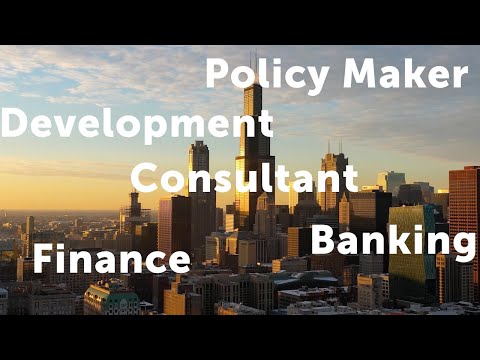
Study Economics at the University of Bath Study Economics at the University of Bath 14/05/2025 12:03:45
Study Economics at the University of Bath

Student Profile

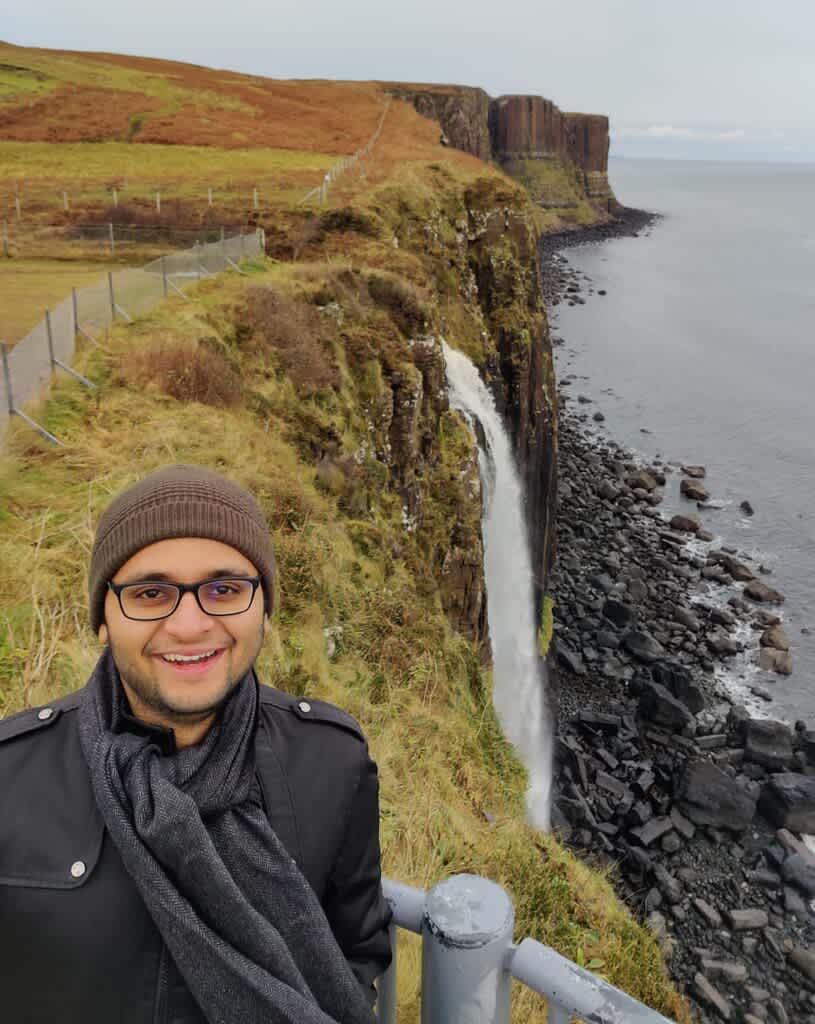
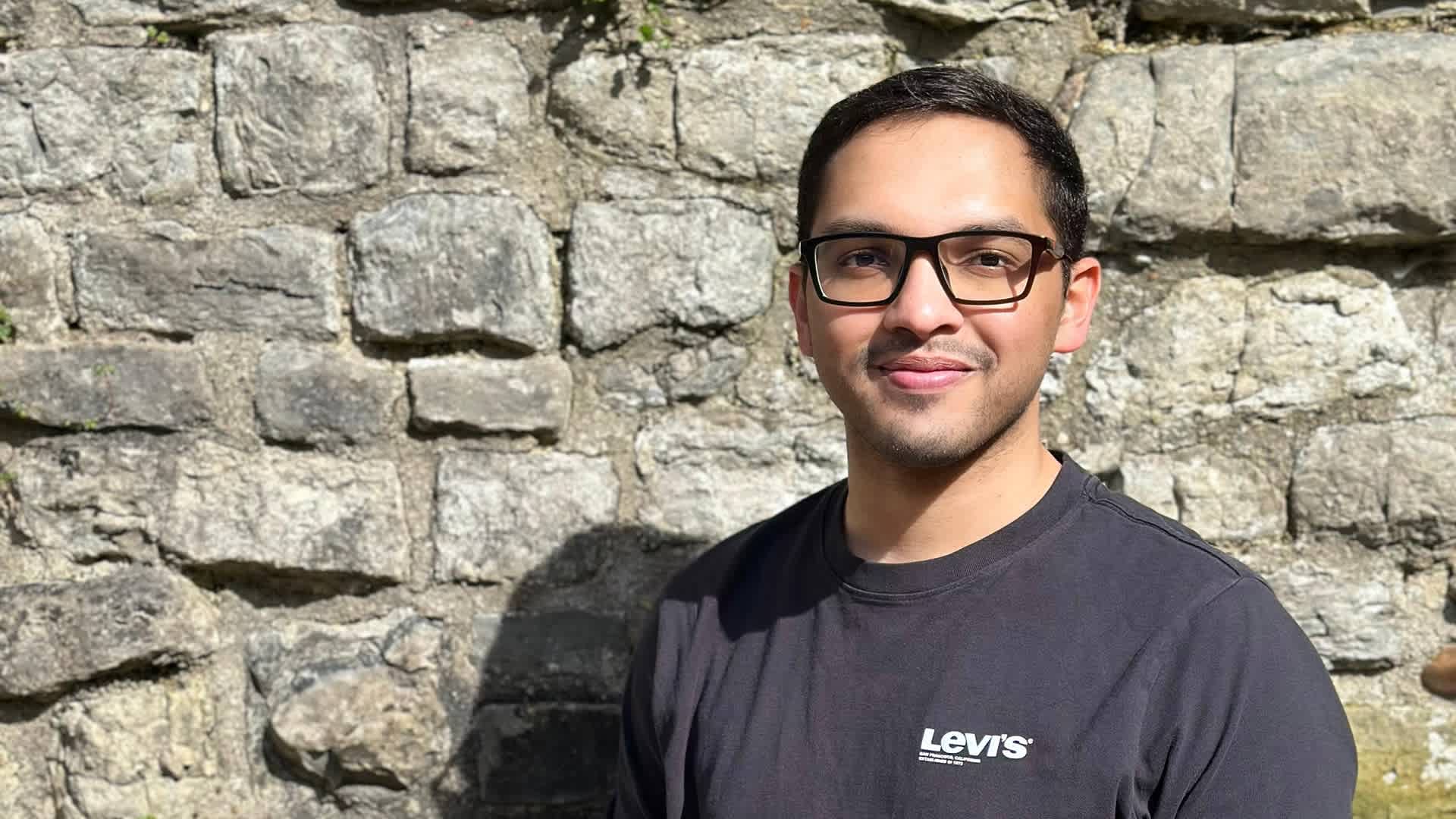
Ishaan

Graduated in 2024

"My motivation to study an MSc in Economics and what I'm doing currently in my career stems from seeing the divide between the rich and the poor in Mumbai. During the pandemic I saw the plight of migrant workers who had to return to villages because of lockdowns; that is when I realised my interest lay in affordable housing for all and therefore in economics. I had already studied some economics units as part of my undergraduate degree in engineering and that is when I became interested in development which drove my interest towards a master’s in economics. That was a transition point for me.

All of my combined experiences motivated me to find solutions for affordable housing in the future. I wanted to work in the real estate industry, on the finance side and work towards affordable housing solutions for the future. Working in finance, in private equity in real estate, was my ambition and economics was the route to it.

I now have a role working with directly with the Chief Finance Officer in a fairly new company with 6,000 employees worldwide, a great experience to start my career."

Search Suggestions

Based on your current searches we recommend the following search filters

Course Suggestions

Based on your current search criteria we thought you might be interested in these

Economics (MSc)
University of York

Financial Economics (MSc)
University of York

Health Economics (MSc)
University of York

Last updated: 26 May 2026

Faculty of Humanities and Social Sciences

The Faculty of Humanities & Social Sciences, the largest faculty at the University of Bath, is home to six departments. We span a wide range of social science specialisms, such as economics, international education, sport management, international relations, interpreting and translation, forensic psychology, and international development. Our approach to teaching and professional development is designed to leave you well-equipped to kickstart or change careers. Many of our courses offer placements or consultancy projects to give you hands-on experience as part of your degree. Our teaching excellence and real-world experience encourage wider thinking, and help you realise your potential to make a positive impact on society.

Why study at Faculty of Humanities and Social Sciences?

Our research impacts the world around us and informs our teaching. It spans economic activity, physical and mental health, education, political and social policy, and climate change.

We collaborate with a range of specialist University institutes, such as the Centre for Development Studies, the Institute for Policy Research, and the Centre for 21st Century Public Health.

In the QS World University Rankings by Subject 2026, we are 13th for Sports-Related Subjects, Joint 31st for Development Studies and joint 57th for Psychology. Learn from international experts in your field who bring their research into the classroom.

5,385

postgraduate students

48

courses

Top 150

in the QS World University Rankings 2026

Bath  United Kingdom

main campus

About Faculty of Humanities and Social Sciences

We offer a wide range of programmes at MA, MSc and MRes level, as well as PhD courses and Professional Doctorates.

Our departments

  • Economics: Study Economics, Applied Economics or Behavioural Economics, with options to specialise in finance and banking.
  • Education: Dive into areas like international education and TESOL, with part-time and distance-learning options available.
  • Health: Specialise in sports and health, with degrees such as Sport Management or Football Medicine, many offered flexibly through distance learning.
  • Politics, Languages & International Studies: Broaden your knowledge of international relations, security and gender issues; study abroad on a Euromasters course; or prepare for a career as a professional linguist or interpreter.
  • Psychology: Specialise in clinical, forensic or health psychology; or study the overlap between psychology and economics.
  • Social & Policy Sciences: With full- and part-time options available, you can research public policy, criminology, international development and humanitarian issues.

Book a one-to-one appointment with our Admissions team

Chat with our students

Latest Scholarships


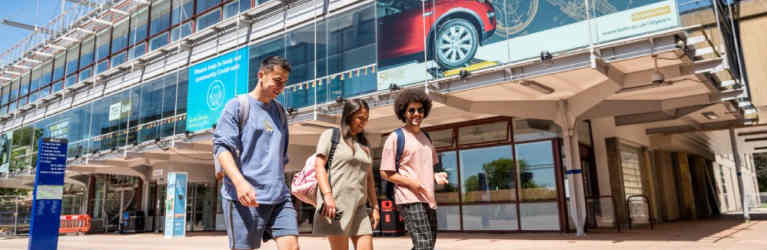
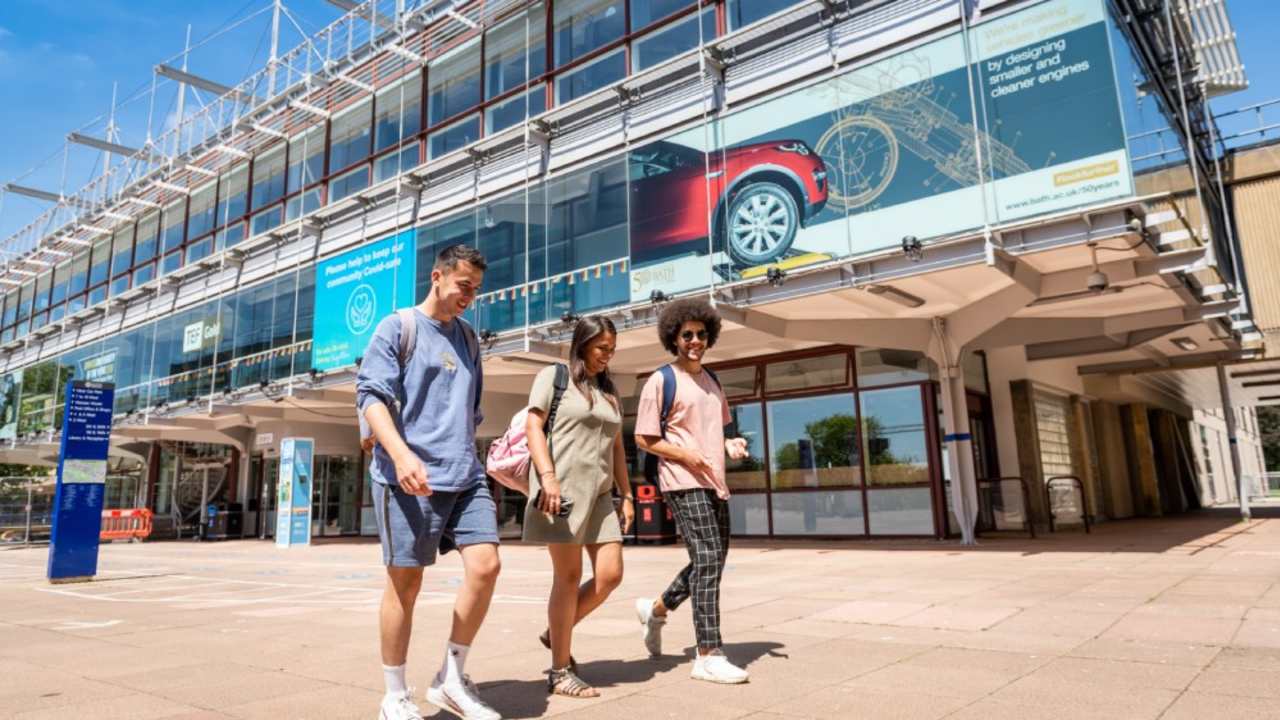
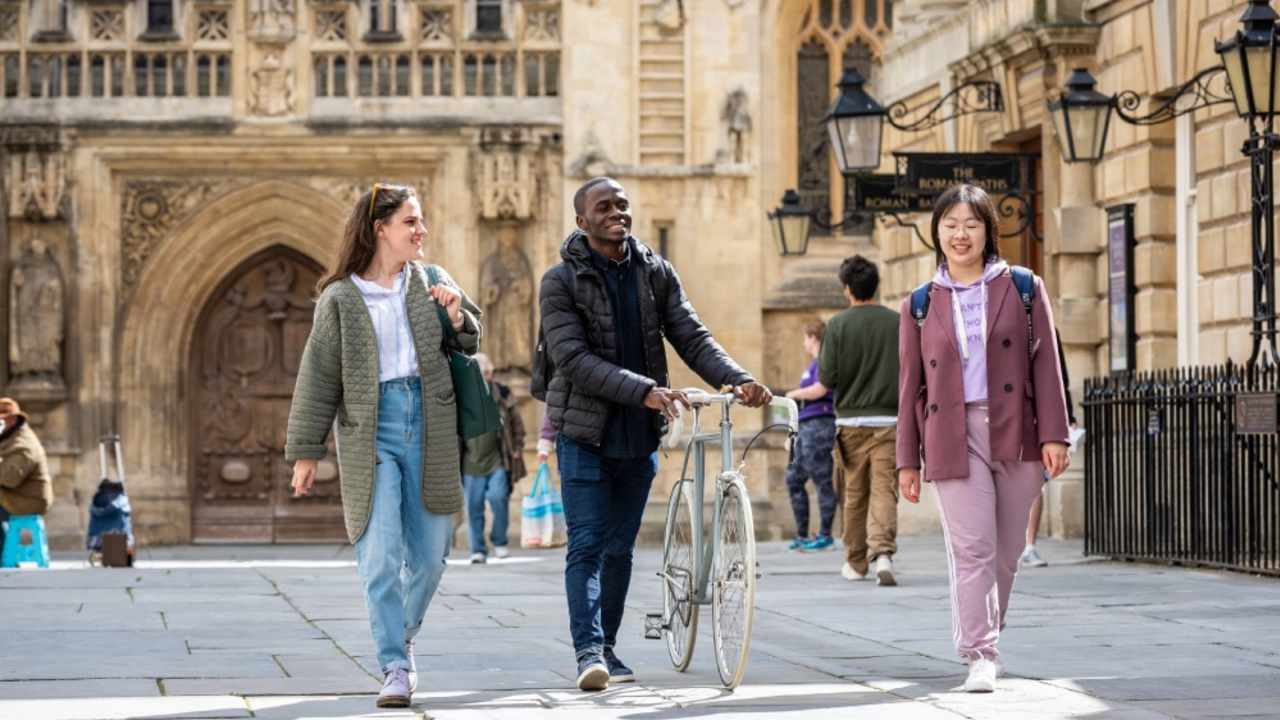
Bath is a bustling UNESCO Heritage City – small and safe, but with plenty to do and see. All of our teaching facilities are located on our campus 10 minutes outside the city, with easy access to lectures, eateries, green spaces, and the Sports Training Village.

Find out more on our Living in Bath web pages.

Hear directly from our current students and alumni by visiting our blog pages.


"Military General Practice has exposed me to a high volume of musculoskeletal injuries and I wanted to be able to offer my patients a better service in the primary care setting in addition to developing my interest in the field. The MSc will offer me opportunities to work in more diverse sporting and clinical settings in the future.

I have most enjoyed the collaborative elements of the MSc, getting to know other students and tutors and learning collectively, particularly on the residential Clinical Weeks. The assessments have certainly been challenging, and when I look back at those I have completed over the past 2 years, the amount of rigour and depth of learning involved is clear."

"My motivation to study an MSc in Economics and what I'm doing currently in my career stems from seeing the divide between the rich and the poor in Mumbai. During the pandemic I saw the plight of migrant workers who had to return to villages because of lockdowns; that is when I realised my interest lay in affordable housing for all and therefore in economics. I had already studied some economics units as part of my undergraduate degree in engineering and that is when I became interested in development which drove my interest towards a master’s in economics. That was a transition point for me.

All of my combined experiences motivated me to find solutions for affordable housing in the future. I wanted to work in the real estate industry, on the finance side and work towards affordable housing solutions for the future. Working in finance, in private equity in real estate, was my ambition and economics was the route to it.

I now have a role working with directly with the Chief Finance Officer in a fairly new company with 6,000 employees worldwide, a great experience to start my career."

"I chose to study International Development with Conflict and Humanitarian Action at Bath as this pathway allowed me to take optional units in economics, which allowed me to combine my two interests.

Having the chance to do my practicum with the International Federation of Red Cross and Red Crescent Societies was huge. It gave me international experience and helped me build strong professional connections. I published a report on this, which demonstrated my ability to deliver."

"It was exactly what I wanted as it was very practical and a lot of the lecturers were working in the industry, which really appealed, as they knew what employers would be looking for and the kind of skills that would be useful. We also had training opportunities as part of the degree as well, which was really helpful. I came out of my master’s feeling ready to embark on a career.

I started my first job in Paris as a translator after graduating. I actually found that job through the alumni mailing list. I worked for two years as an in-house translator, also proofreading and reviewing other people’s work and checking the French staff’s English content output. I was able to directly apply what we’d been studying during the master’s course.

I then decided to relocate back to the UK and started a job as a translation coordinator at the Wine and Spirit Education Trust, where I’ve now progressed to senior project manager. I oversee translation projects and the relationships with linguists, review translations and build up assets like terminology lists and style guides.

What I enjoy most about my job is that, at its core, translation is about making things more accessible and opening doors to people. We want to make sure that the content we produce in Turkish or Italian has the same amount of care and attention as the content produced in English."

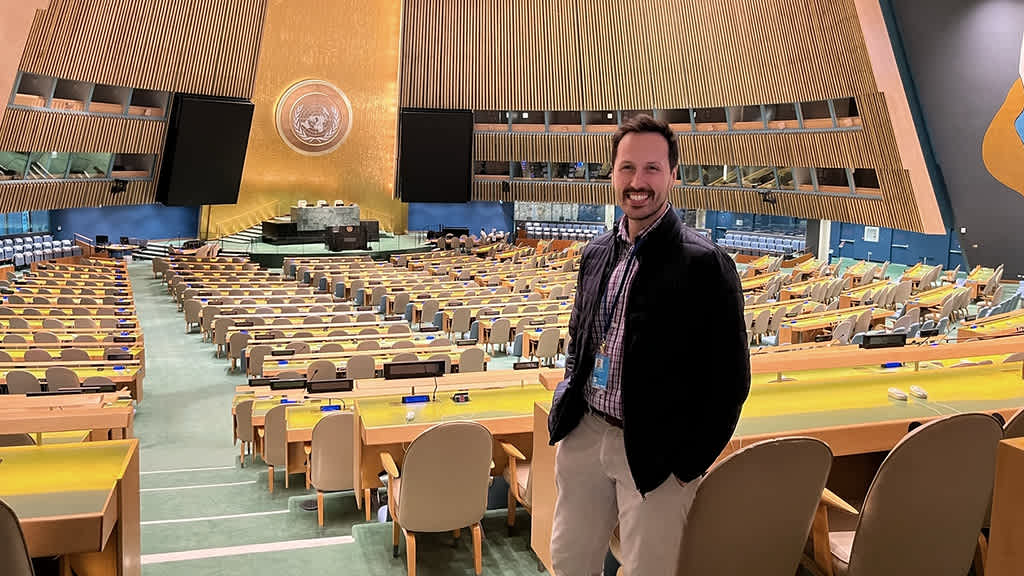
"I completed my BA in Modern Languages at Bath and, after graduating in 2011, decided to stay on to study a master’s in Interpreting and Translating.

Then, in 2022, as part of my own professional development, I applied to sit the UN’s Competitive Examination for Language Professionals, or CELP. There were several stages to the process, including a written application, a day-long online test focusing on translation, editing and report-writing skills and an online competency-based interview. The skills I had acquired on the MA and used over the years as a lecturer and freelance translator came in very handy, and I managed to pass the test!

So, for the past year, I have been working as a Verbatim Reporter at UNHQ in New York, translating from French and Spanish into English and transcribing and editing in English, helping to produce official verbatim records of UN meetings."

"In education, you can do so many different jobs. You can be a teacher, an administrator, work in recruitment, be involved in policymaking; there are so many different routes. I graduated from MA International Education and Globalisation (IEG) at Bath in 2013 and since then I have held many different jobs with non-profits and educational organisations. These have given me a diverse and well-rounded experience in my career so far.

Right now, I work in international student recruitment and admissions. My job is to help people from the CIS (Commonwealth of Independent States) region to go to the United States and Europe to study.

I work with students in countries in Eastern Europe, Central Asia, North Asia and Western Asia, where the options to go to big universities in different areas of the world aren’t always easy to find. I feel very lucky because my job allows me to travel all over the world and live in different places. I have lived in Paris and Moscow since leaving my home in the United States, and have been able to experience lots of different cultures."

"Choosing Bath was simple, the rankings and reputation are so highly regarded in academic circles everywhere globally. I saw a Bath graduate in China on social media, who was quite influential and shared information about the University, including the connections it has with United Nations (UN) agencies around the world.

Many students in my cohort came from a variety of academic backgrounds. There is a saying that to be a good translator or a good interpreter, you have “to know something of everything and know everything of something,” so that variety of knowledge was important in the cohort.

I now work for an information and communications technology company in China. I would say the work is 90% translator and 10% interpreter. My internship was very relevant to my current role; when I was interviewed my director said that the niche area of technology in relation to translation helped me to stand out."

"Going from my studies straight into a job definitely felt like a step in the right direction, and I was able to do my final project, a policy brief rather than a dissertation, all the way from here. The University had given out a list of topics and partner organisations – first come, first served – and I got to work on a project that looked at market anomalies and overconfidence in financial markets. As someone who’s investing in the stock market themselves, I found it extremely interesting to look at actual, practical research that analyses different aspects of why certain things happened in the past and what it could mean for the future, and to put all that into a single piece of work."

"After my undergraduate degree in psychology, I worked for a year as a learning support assistant within an additional needs department at a college. I got to support autistic individuals and people with disabilities such as Fragile X syndrome and global developmental delay. This role allowed me to help students socially and academically. It was a great experience! I took that year out because I wanted some hands-on experience after my undergraduate degree, which had been quite coursework and exam-heavy – which was great, but I wanted to apply what I’d learned!

Bath really felt like an equal playing field, not just from individual advisors but from the Department of Psychology and the University as a whole. Disability support services and my external autism mentor were always there, and even the accommodation team went out of their way to try and get me a quieter room on the top floor without me even asking."

"I found behavioural economics fascinating and wanted to delve more deeply into the intersection between economics and psychology; so MSc Applied Psychology and Economic Behaviour was perfect.

Bath had the perfect balance of high student satisfaction, high performing economics and psychology departments, experts in applied policy research, and was situated in a beautiful part of the UK. You can enjoy an urban city life, but also can be in the great outdoors within minutes. The campus is extremely welcoming, with a great student body."

I gained a clearer perspective on how organisations function and make decisions in a global context. Broadening my worldview and equipping me with analytical skills and strategic sharpness to assess and navigate the complexities of international business and politics this has been invaluable.

What I found particularly exciting was the breadth and depth of content, exploring regions and their unique dynamics, including the Middle East, south east Asia, and Sino-US relations. This exposure enabled me to grasp overarching trends while delving into specific areas of personal interest. Such an approach has been instrumental in my development as a regional consultant, providing me with a rich understanding of different geopolitical landscapes and their implications.

The ability to specialise in areas that intrigue me made the learning experience both engaging and highly relevant to my career aspirations.

"My voluntary experience opened my eyes to the traumas faced by many individuals in the UK and the factors that influence offending behaviour from childhood. This made me more empathetic towards people who have offended or at risk of causing harm to others, and guided my decision to support this population.

The department was highly knowledgeable and delivered excellent lectures. Additionally, many of the lectures were delivered by external staff with specialist expertise. We could really see the quality of what we were learning and there was a strong focus on understanding the links between psychological theory and practice."

"Since I got into net politics, I became interested in the connection between innovation and regulation. Being a Euromasters student, I was able to explore this interest and gain expertise through a wide range of related optional units. With emerging technologies such as Artificial Intelligence (AI), I find it fascinating learning about the different strategies governments and the EU pursue to make technology beneficial for society. In my current job, I enjoy learning how companies use technologies to develop new business models in sectors such as mobility."

"Before doing my master’s, I did my undergraduate in Health and Exercise Science here at Bath. I always knew I was interested in health and exercise, but didn’t want to go back to the Czech Republic to do only sport or nutrition as a specialism.

Coming towards the end of my undergraduate degree, I still didn’t have a real clue what I wanted to do. Over the years I’d got interested in business, marketing and management, so when the MSc Sport Management graduates got called to the stage in the graduation ceremony, it was the first time I realised that Bath offers a master’s that combines my interests.

So that’s when I decided to look up the course page and applied! It covers the business side of things but still overlaps with sport; marketing is thrown in there as well and of course the research aspects. The option of doing a consultancy project with an external company was also a great to get some exposure to real-life scenarios."

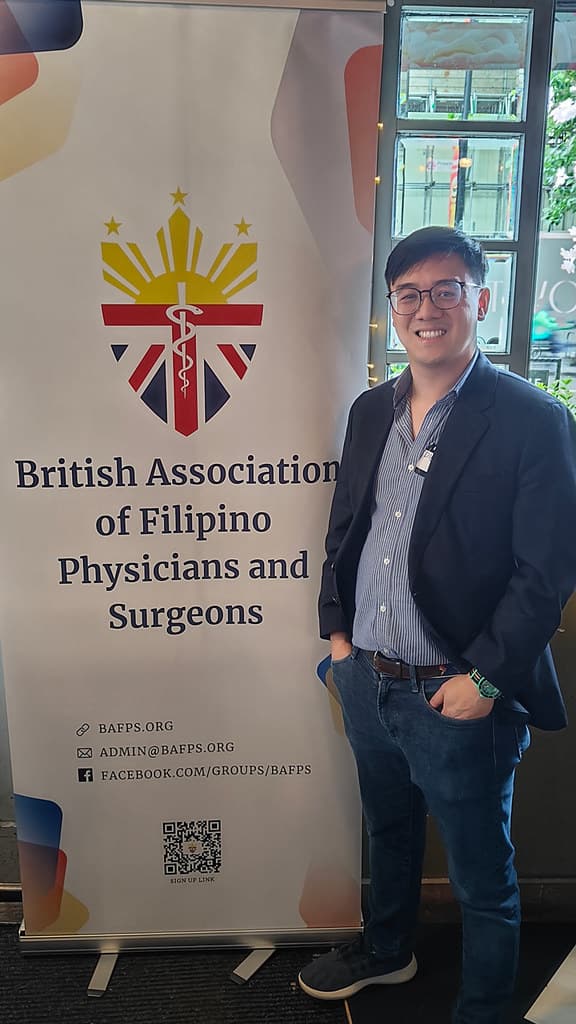
"I was born in the Philippines and raised in Hong Kong; I moved to the UK in 2010 to study medicine. I always knew I wanted to become a doctor, and what drew me to the UK was the straightforward training structure; no pre-med, just straight into six years of medicine, then onward to practice. I graduated in 2016 and have been working as a doctor for the past nine years. I’m currently in my second year as an orthopaedic registrar and intend to complete my training and attain my fellowship.

I guess I’ve also taken a slightly unexpected route as I am also currently in my third and final year of the master’s in Football Medicine. I’ve always had a thing for soft tissue injuries and have done some work around ACL management and injury prevention. What drew me to this course was its breadth. You don’t just study the anatomical side; it’s also biomechanical, psychological, even cultural. That holistic perspective really appealed to me. As a future surgeon, I don’t just want to fix the problem, I want to understand it in context to proactively address preventative strategies."

"I wanted to learn and absorb, and found myself being fascinated by theory and enjoying the journey. Eventually, I got interested in ‘stochastic terrorism’, which I have subsequently written about in both my undergrad and master’s thesis and want to pursue more in a PhD. It looks at how politicians use language to demonise targeted individuals, and how this gets amplified on social media and results in susceptible individuals potentially acting on this rhetoric by committing acts of violence.

It is, unfortunately, a very relevant topic currently, due to the rise of right-wing populist politicians in various countries. It’s not really been researched thoroughly yet, so it’s rewarding to build on it and each level I go up in my studies, it gets more in-depth. My other areas of interest include American politics and the alt-right. I feel the topics I’m studying are so important and deserve the time to be discussed."

"I remember my dad saying that language was the key to understanding the world. Even at an early age, that stuck with me and led me to become fascinated with the English language.

I worked at McKinsey in China as part of a big in-house translation team after they approached Bath directly for students. Employers know that Bath will produce students with exceptional qualities. My teachers put me forward for the interview and I was accepted!

I have now moved to work in the communications department of pharmaceutical company, Merck, Sharp & Dohme (MSD), where my job revolves around external and internal communications for the company leadership, with interpreting being an essential part of my work.

I’ve now had a decade of experience in interpreting and translating and I still see a huge gap between what AI can do and what a top linguist can deliver. It is about empathy, about predicting, about contextualising, about understanding."


Main campus

University of Bath

Bath

South West

United Kingdom

Courses at Faculty of Humanities and Social Sciences